Hinged Knee Braces for Ligament Recovery (ACL/PCL/MCL): An OEM Sourcing and Biomechanical Guide for EU and US Brands
Why Ligament Knee Braces Drive High Clinical and Sports Demand
Knee ligament injuries—particularly ACL ruptures, PCL tears, and MCL sprains—are among the most frequent trauma conditions. Over 350,000 ACL reconstructions occur annually in Europe and North America (Source: Journal of Bone & Joint Surgery). For medical distributors, hinged ligament supports represent a steady, high-margin category.
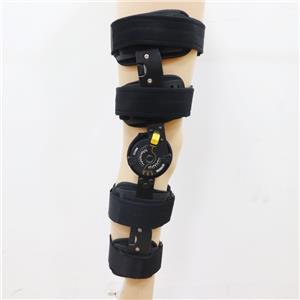
Sourcing from a specialized hinged knee brace manufacturer and ACL knee brace supplier requires joint biomechanics expertise. A functional ligament brace must resist anterior tibial translation and prevent hyperextension during active rehabilitation. Modern buyers focus on three engineering criteria:
-
True Polycentric Tracking: Dual-axis polycentric gears mirror anatomical condyle motion, eliminating pinching.
-
4-Point Dynamic Leverage: Rigid aircraft-aluminum frames apply precise counter-forces across thigh, calf, and supra-patellar straps to protect healing grafts.
-
Universal Modular Sizing: Telescoping condyle uprights allow one universal SKU to fit diverse patient heights, reducing warehouse inventory by up to 35%.
Distributor Pain Points in Ligament Bracing and Direct Solutions
Field complaints and patient non-compliance can hurt a medical brand. Working with an experienced ROM knee brace OEM and ligament support brace factory eliminates these chronic supply risks:
Hinged Ligament Knee Brace Platform Technical Specifications
As an experienced custom orthopedic knee brace manufacturer, we produce three core modular platforms ready for private-label customization:
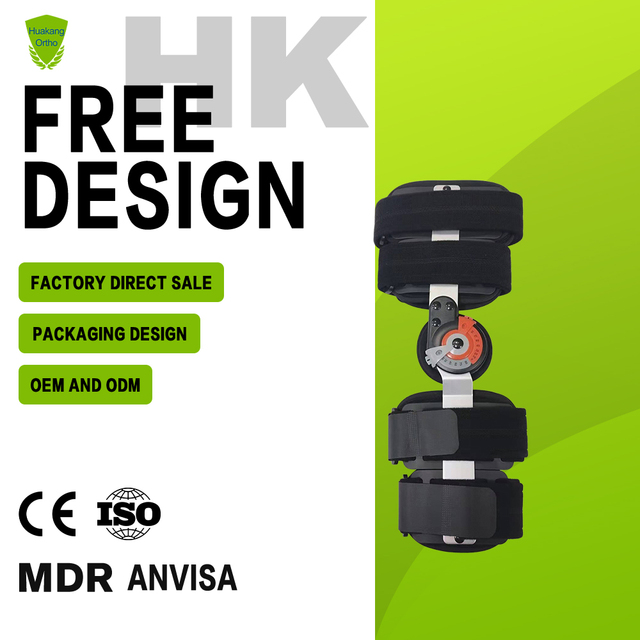 Fig 1: Telescoping ROM Knee Brace platform featuring CNC aluminum side uprights and tool-free dial locking.
Key Engineering Capabilities for Brand Differentiation
-
Physiological Gear Motion: Polycentric gears track femoral condyles, reducing anterior shear forces on healing ACL grafts by up to 40%.
-
Numbered Strapping Logic: Labeled strap tabs guide patients to fasten the brace in correct biomechanical sequence, eliminating user error.
-
Rapid Telescoping Adjustment: Push-button sliders adjust length from 19" to 27" in seconds without requiring tools by a custom orthopedic knee brace maker.
-
Biocompatible Skin Padding: Anti-bacterial, latex-free liners prevent sweat accumulation and rashes during 6- to 8-week recovery periods.
Fig 2: Rigid 4-point leverage ligament brace with contoured aircraft aluminum frame and condyle pads.
Enterprise Scale: 12 Years of Medical Manufacturing Experience
Partnering with a reliable hinged knee brace manufacturer, ACL knee brace supplier, and medical brace factory provides consistent quality and supply continuity. Our infrastructure includes:
-
12+ Years History: Founded in 2014 in Xiamen, China, dedicated to orthopedic braces.
-
2,500+ m² Facility: Standardized floor with rapid container dispatch for Port of Xiamen.
-
120+ Dedicated Staff: 12 in-house CAD tooling engineers and 15 QA/QC inspectors.
-
8 Production Lines: CNC laser cutting, high-frequency embossing, and computerized sewing.
-
150,000+ Units Monthly Capacity: Over 1.8M units annually for steady replenishment.
-
Global Registrations: Certified under ISO 13485:2016, CE MDR (EU 2017/745 Class I), and US FDA.
-
40+ Export Markets: Supplying distributors in the USA, Canada, Germany, UK, France, Netherlands, Italy, Spain, and Australia.
-
OEM Case Result: Re-engineered a German brand's knee line with modular hinges, cutting SKU catalog by 30%, freight volume by 22%, with zero customs issues over 4 years.
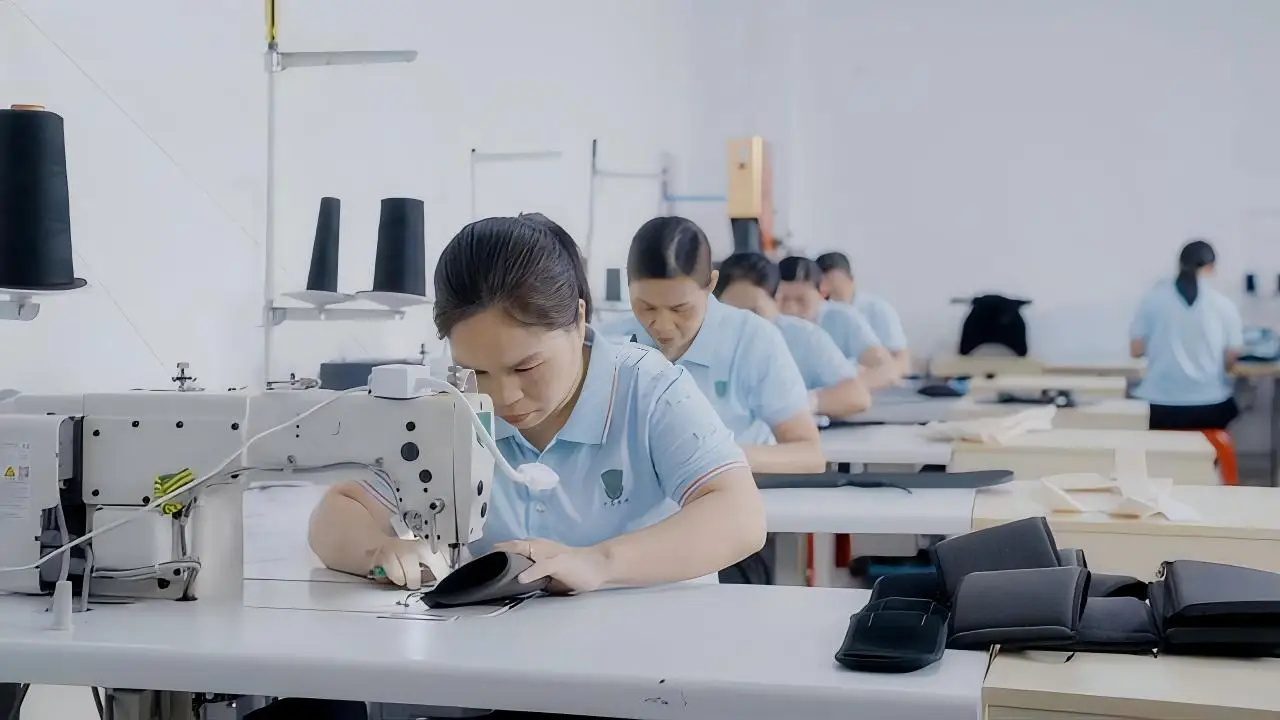 Fig 3: Clean, standardized sewing and hardware assembly workshop at our Xiamen manufacturing plant.
The 5-Stage Quality Inspection and Production Workflow
Every knee brace leaving our ligament support brace factory and ROM knee brace OEM workshop passes five quality gates:
-
IQC: Aluminum, POM resins, nylon webbing, fasteners, and foams undergo tensile and biocompatibility checks.
-
CNC Cutting: Computerized tables eliminate variance ($pm 0.5text{ mm}$), followed by thermal bonding for clean edges.
-
Structural Sewing: Stress points, D-rings, and hinge pockets receive automated bar-tack stitching at 7–8 stitches/inch.
-
Fatigue Testing: Hinges undergo 100,000 flex tests; straps undergo 5,000+ peel cycles; bladders undergo 24h pressure tests.
-
FQC & UDI Tagging: Visual and functional checks. Cartons receive traceable lot numbers and UDI barcodes.
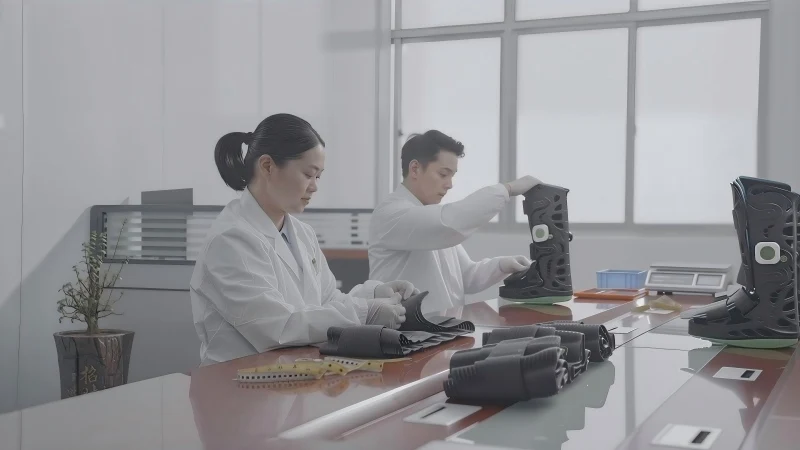 Fig 4: Dedicated quality testing lab equipped with mechanical fatigue testers and tensile testing rigs.
Our team regularly exhibits at major medical trade shows, including MEDICA in Düsseldorf (Germany), Rehacare International, Arab Health (Dubai), and FIME (Miami, USA).
Start Your Custom Knee Brace Project with Direct Factory Support
Whether you want to upgrade an existing line or launch a patented design, our engineering desk provides direct DFM analysis, rapid 3D prototyping, and cost-optimized production planning.
Explore our custom capabilities: Browse our Knee Support Series, review our ROM OA Knee Brace Platform, inspect our Back Support Line, or contact our OEM engineering desk for technical drawings and sample requests.